
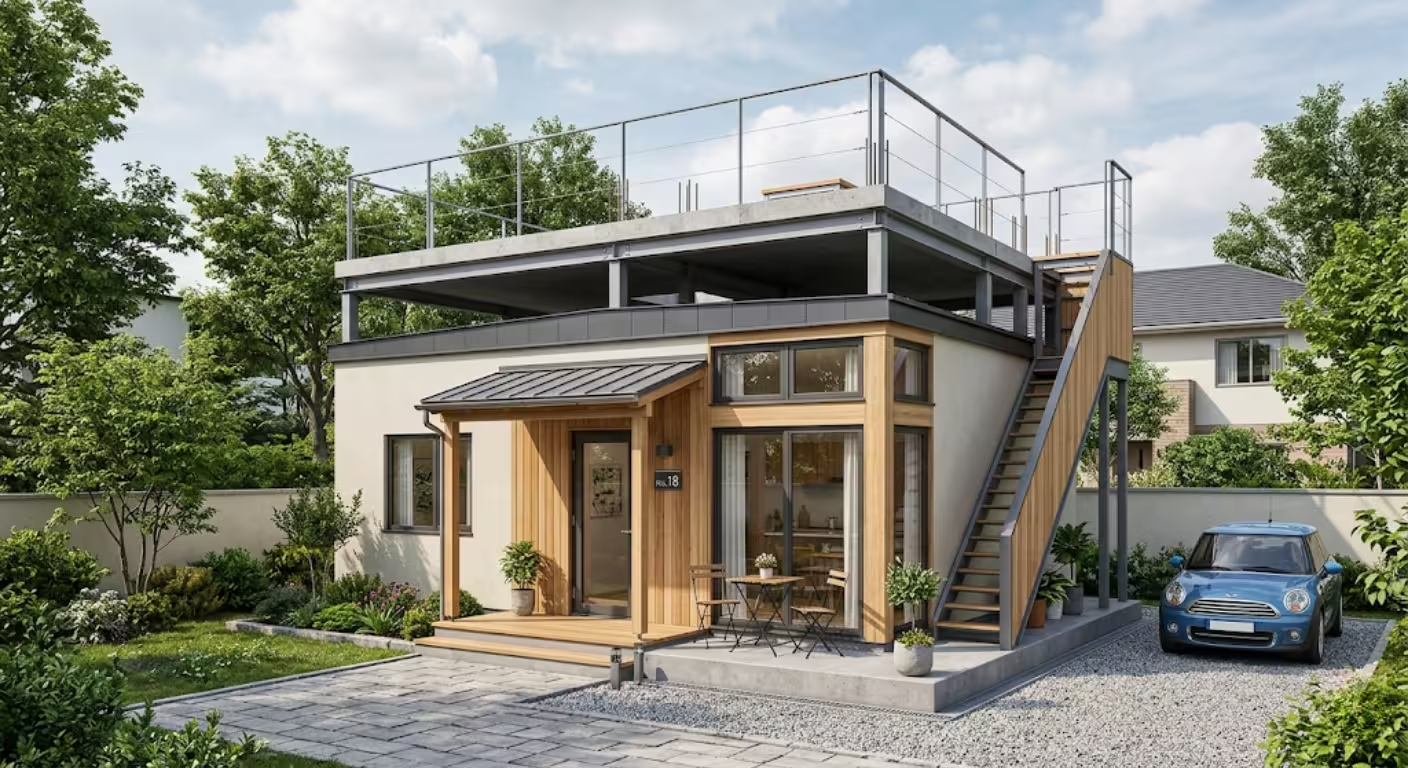
Small House Design with Scope for a Second Floor Simple Single-Floor House Designs and Kitchen Design Gallery Ideas
This blog discusses how to smartly design a home on a small plot—starting with a simple single-story house that allows for the easy addition of a second floor in the future. It offers top ideas for space optimization, practical planning, and kitchen design. Additionally, it shares common pitfalls to avoid and real-life tips to ensure your home is both functional and stylish.
Nowadays, everyone dreams of owning their own home—whether small or large—but one that is designed exactly to their own specifications. However, the real challenge begins when the plot size is small, the budget is limited, and one’s needs keep growing.
Many people wonder:
- “Can a small house truly be both beautiful and functional?”
- “Is it a good idea to build a single-story home now and add a second floor later?”
- “How can I make my kitchen both stylish and practical?”
If these questions are on your mind as well, then this blog is written just for you. Here, drawing upon practical experience, real-life planning scenarios, and smart design ideas, we will guide you on how to build a perfect home—even on a small plot—that serves your needs effectively both today and in the future.
What Constitutes “Small House Design”?
Small house design isn’t merely about building a small house; rather, it is about the smart and efficient utilization of space.
In my experience, many clients building homes on plots sized 20×30 or 30×40 feet often make a critical mistake right at the start: they attempt to make every single room as large as possible, which ultimately disrupts the overall flow and harmony of the house.
The Correct Approach Is This:
The purpose of every space must be clearly defined.
Avoid unnecessary walls.
Maximize natural light and ventilation.
Simple Single-Floor House Design – Why Is It the Best Choice?
1. Budget-Friendly Construction
Building a single-story home is comparatively more affordable because:
- The foundation requirements are simpler.
- The structural load is lighter.
- There is no need for a staircase.
If you are building a home for the first time, starting with a single-story structure is the most practical option available.
2. Ease of Maintenance
In a single-story home:
- Cleaning and upkeep are easier.
- It is safer and more accessible for the elderly.
- It offers greater convenience in daily living.
3. Flexibility for Future Expansion
This is arguably the most important point.
I have observed in many projects that people initially build only the ground floor and subsequently add a second floor later on.
However, a major mistake often occurs here:
If the planning for future expansion is not done in advance, the structural integrity of the building could be compromised later on.
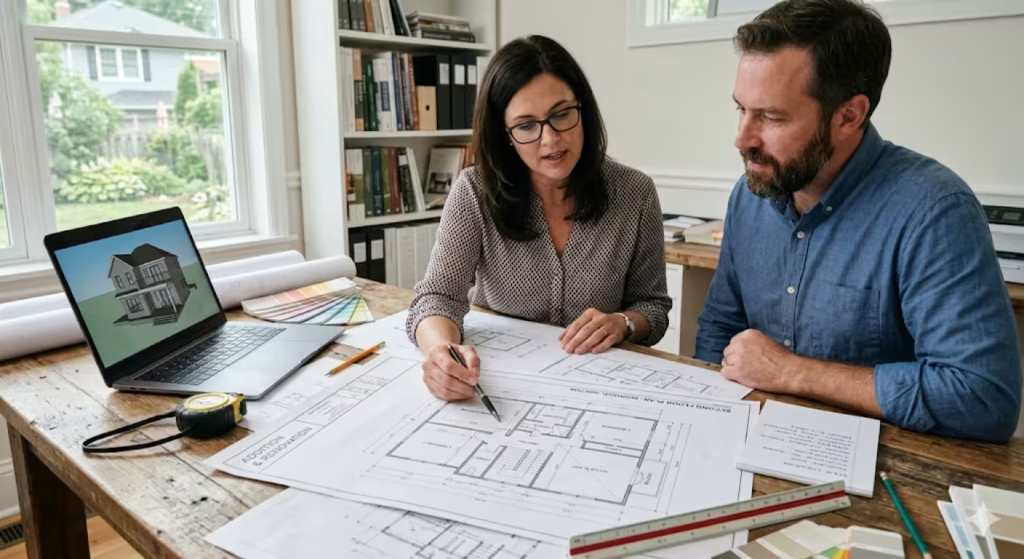
How to Plan for a Second Floor?
If you intend to build a second floor in the future, keep these factors in mind right from the start:
Strong Foundation
The foundation must be robust enough to handle future structural loads.
Column Placement
Design the column layout in a way that allows for the easy construction of rooms on the upper floor.
Staircase Planning
Determine the location of the staircase in advance.
Indoor or Outdoor — this choice depends on your lifestyle.
Plumbing & Electrical Planning
To avoid rework in the future:
Plan for vertical lines (risers/drops) in advance.
Ensure that pipes and wiring are properly aligned.
I have applied this approach in numerous projects, and it has significantly reduced future costs for my clients.
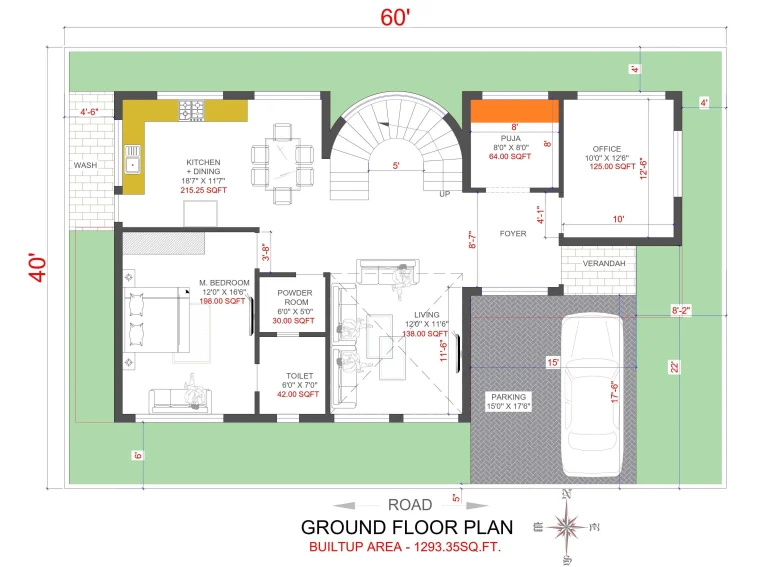
Small Plot House Plan Ideas (20×30, 30×40)
20×30 House Plan Idea
1 Living Room
1 Bedroom
1 Kitchen
1 Common Bathroom
Compact Dining Space
Tip: Opt for an open kitchen layout to make the space appear larger.
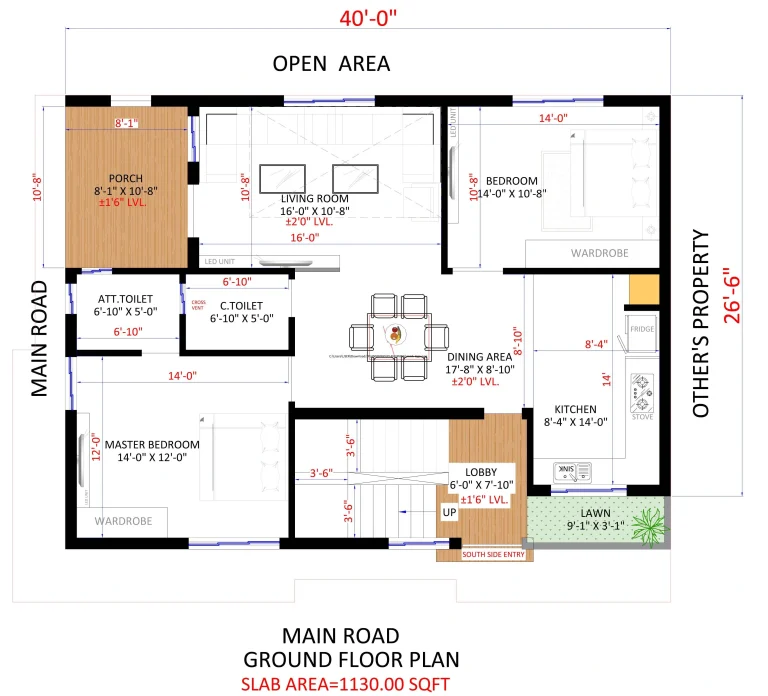
30×40 House Plan Idea
2 Bedrooms (1 Master + 1 Guest)
Spacious Living Room
Separate Kitchen
2 Bathrooms
Small Balcony
Tip: Strategically place windows to maximize natural light.
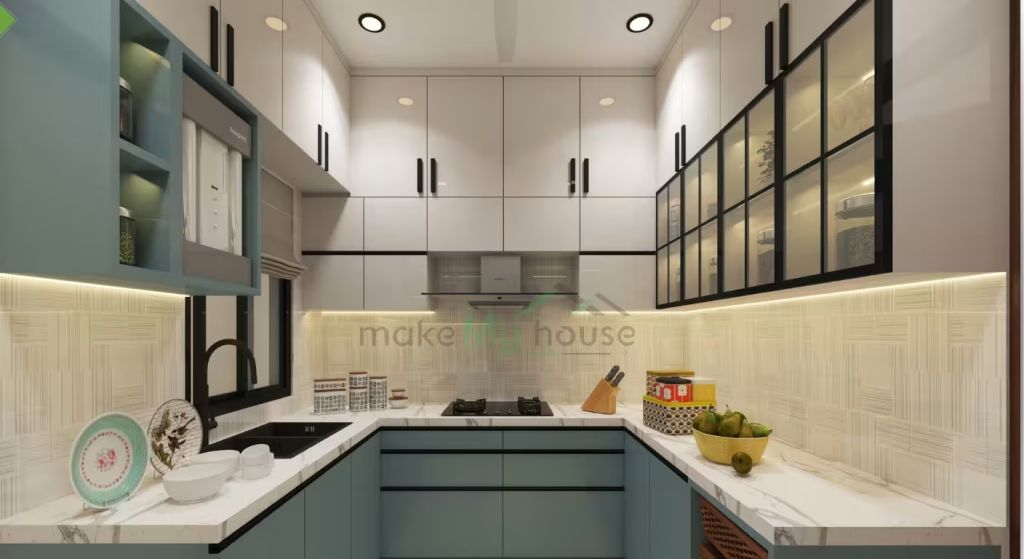
Kitchen Design Gallery Ideas (Practical + Stylish)
The kitchen is the most frequently used area of a home. Therefore, it should not only be aesthetically pleasing but also highly functional.
I have observed many clients who design their kitchens solely based on images from Pinterest, only to regret it later.
Here are some tried-and-tested ideas:
1. Modular Kitchen Design
Cabinets are well-organized.
Storage is highly efficient.
Maintenance is hassle-free.
Best for: Small houses.
2. L-Shape Kitchen
Corner space is effectively utilized.
The “work triangle” (the functional layout between the sink, stove, and refrigerator) is maintained.
Best for: 20×30 plots or compact homes.
3. Parallel Kitchen Design
Offers ample storage space.
Ensures a smooth workflow.
Best for: Homes with narrow kitchen spaces.
4. Open Kitchen Concept
Makes the living area appear more spacious.
Enhances social interaction.
However, keep these points in mind:
Install a proper chimney
Ensure strong ventilation
5. Smart Storage Ideas
Tall units
Pull-out drawers
Corner carousel
This makes even a small kitchen feel spacious.
Common Mistakes in Kitchen Design
Based on my experience, here are some common mistakes:
Wrong Cabinet Finish
Glossy finish → fingerprints
Cheap finish → scratches
Poor Ventilation
Leads to heat and smoke buildup in the kitchen
Incorrect Height Planning
Countertops that are too high or too low
Cabinets that are at an uncomfortable height
Solution:
Follow ergonomic design principles
Plan the layout according to the user’s height
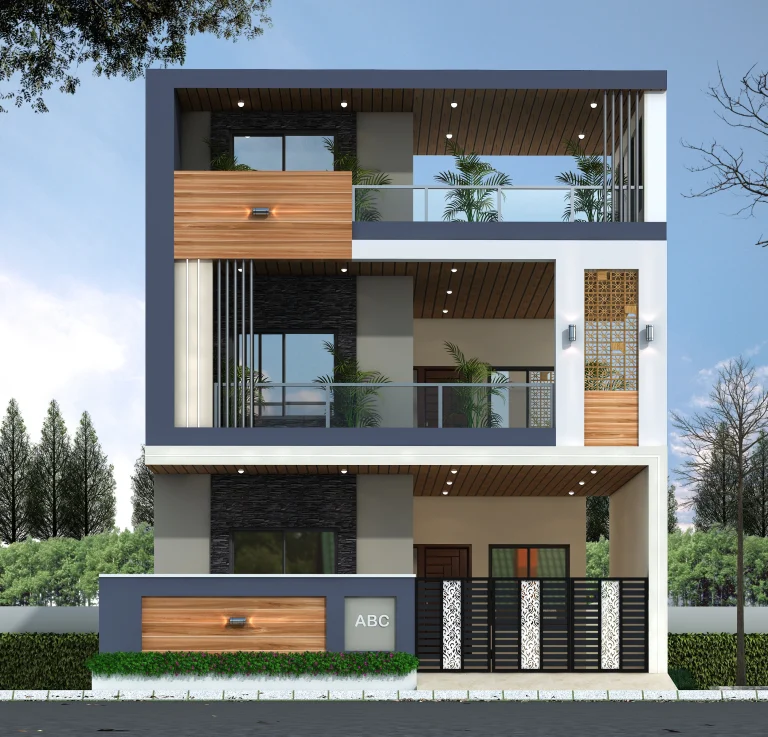
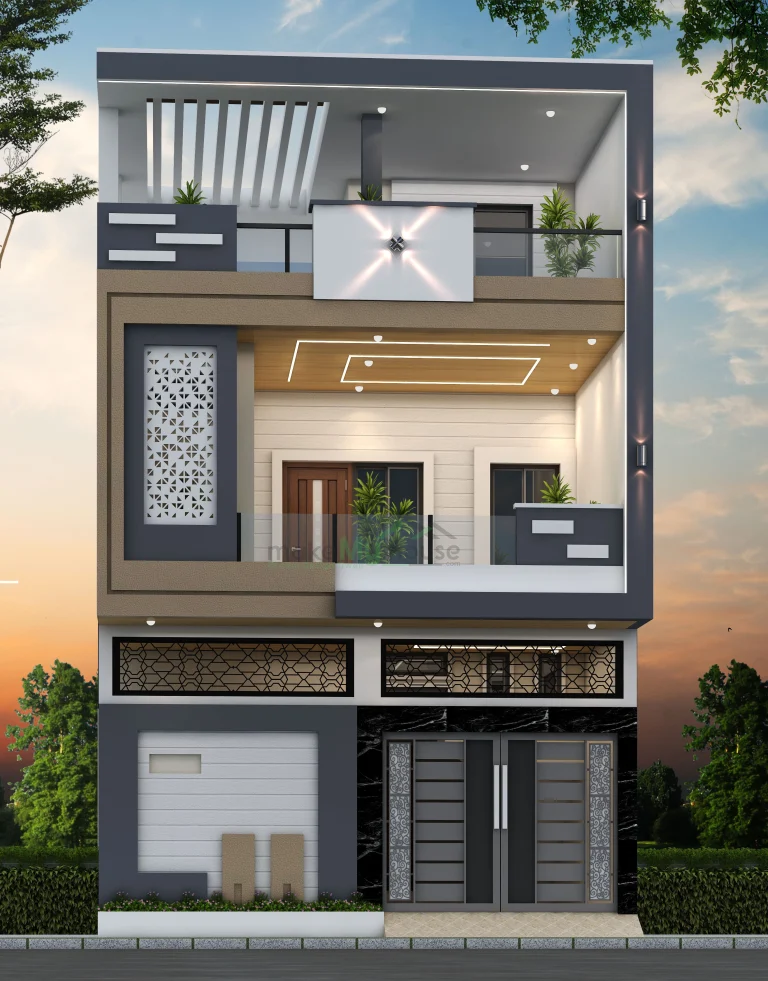
Small House Exterior Design Ideas
Having a small house doesn’t mean its exterior elevation has to be plain or simple.
Modern Exterior Tips:
Use clean lines
Choose neutral colors
Add glass elements
Budget-Friendly Ideas:
Textured paint
Simple railing designs
Minimalist balconies
In many projects, I have successfully achieved a premium look using nothing but simple designs.
Space Optimization Tips
Multi-functional Furniture
Sofa-cum-bed
Foldable dining sets
Utilize Vertical Space
Wall shelves
Loft storage
Use Light Colors
Makes the space appear larger
Use of Mirrors
Creates a sense of visual expansion
Vastu Tips for Small House Design
If you follow Vastu principles, keep these basic guidelines in mind:
Entrance → East or North
Kitchen → South-East
Bedroom → South-West
Living Room → North-East
However, practical planning is ultimately more important—do not follow Vastu blindly.
Single-Floor vs. Double-Floor – Which is Better?
| Factor | Single Floor | Double Floor |
| Cost | Lower | Higher |
| Maintenance | Easier | Higher |
| Space | Limited | More |
| Future Scope | Limited | High |
Recommendation:
Limited Budget → Single Floor
Large Family → Double Floor
Real-Life Insight (Based on Experience)
Throughout my work, I have realized that:
80% of people fail to plan for the future.
60% of people make mistakes in kitchen design.
70% of people utilize space inefficiently.
If you get the planning right at the very beginning:
You save on costs.
You avoid future complications.
Your home turns out perfect.
Conclusion
Having a small home is not a limitation—provided the planning is sound.
You can start with a simple single-floor house design and add a second floor in the future. Furthermore, with smart kitchen design and space optimization, your home can be both functional and stylish.
FAQs (Frequently Asked Questions)
1. Can a second floor be added to a small house in the future?
Yes, provided that the foundation and structure are planned correctly and built robustly right from the start, a second floor can easily be added later on.
2. Who is a simple single-floor house design best suited for?
It is the best option for small families, those with a limited budget, and first-time homebuyers.
3. What is the best kitchen design for a small house?
L-shaped and modular kitchen designs are the most practical and space-saving options for small homes.
4. How many rooms can comfortably be built on a 20×30 plot?
On a 20×30 plot, it is easy to plan for 1–2 bedrooms, a kitchen, a living area, and a bathroom.
5. Is Vastu essential for a small house design?
Vastu is optional; however, proper planning, ventilation, and efficient space utilization are far more important.
6. What can be done to make a small house appear larger?
Using light colors, mirrors, an open layout, and multi-functional furniture makes the house feel larger and more spacious.
About the Author

2 thoughts on “Small House Design with Scope for a Second Floor: Simple Single-Floor House Designs and Kitchen Design Gallery Ideas”