
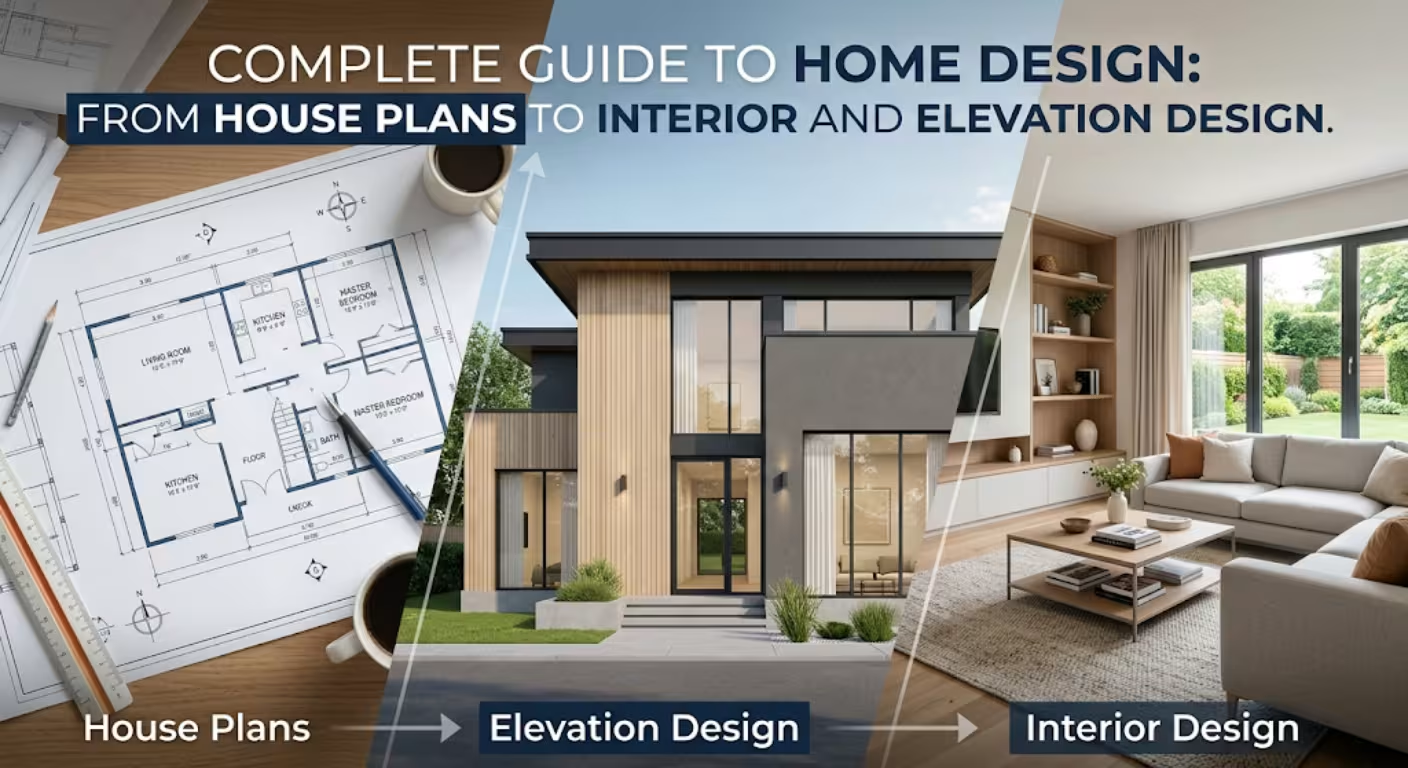
Complete Guide to Home Design: From House Plans to Interior and Elevation Design
Building a home is a dream shared by everyone. However, when the actual process of constructing a house begins, people realize that it involves much more than just bricks and cement.
People often make the biggest mistake of diving straight into construction without proper home design planning. Consequently, they face numerous problems later on—incorrect room dimensions, poor ventilation, inefficient space utilization, and, frequently, significant budget overruns.
In my experience, those who prioritized proper house plans, elevation design, and interior planning before construction began ended up with a home that was not only aesthetically pleasing but also remained comfortable and functional for years to come.
In this blog, we will explore in detail the entire home design process and learn how, through proper planning, you can build the home of your dreams.
1. Why is Home Design Planning Essential?
Building a home represents a significant investment. If a sound plan is not established at the outset, it becomes extremely difficult to alter various aspects of the structure later on.
I have often observed people starting construction simply by copying a design they found on the internet, without realizing that every plot has unique dimensions, orientation, and specific requirements.
Proper home design planning assists you in the following areas:
- Determining the optimal room layout
- Maximizing the utilization of natural light and ventilation
- Accounting for future expansion possibilities
- Controlling construction costs
When a home is well-planned, the need for future renovations or modifications is significantly minimized.
2. House Plans: The Most Critical Foundation of a Home
The very first—and arguably most crucial—step in building any home is the creation of a house plan design.
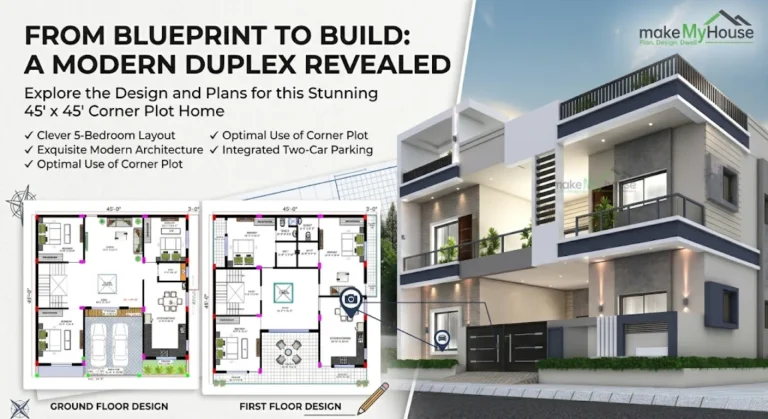
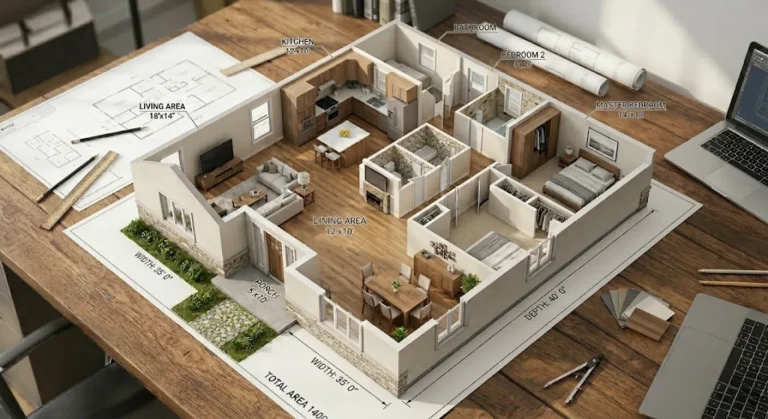
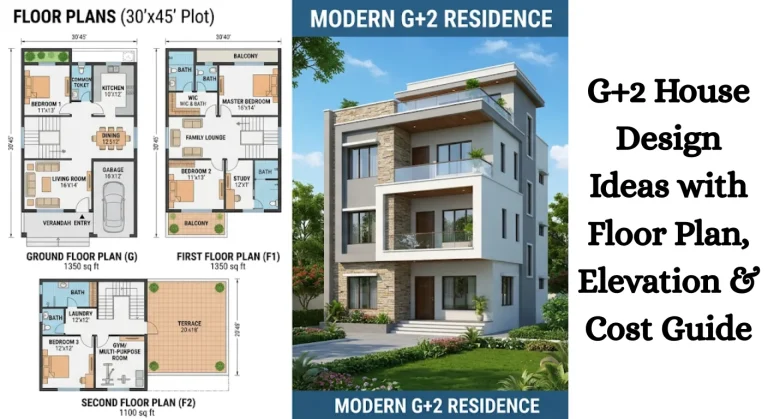
In layman’s terms, a house plan is also referred to as a “floor plan.” It establishes the complete layout of the entire house, defining elements such as:
- The placement of rooms
- The location of staircases
- The kitchen area
- The positioning of bathrooms
- Parking space
- Balconies and open areas
Several factors must be carefully considered when creating an effective house plan.
Plot Size and Shape
Every plot is unique.
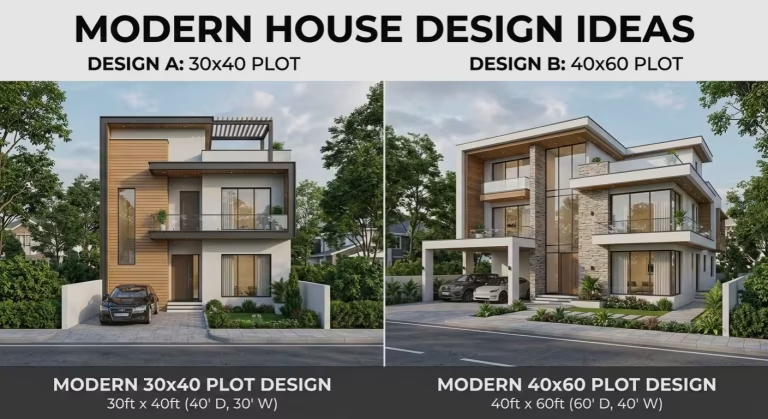
Whether it is a 30×40, 40×60, or an irregularly shaped plot, each requires a distinct and tailored planning approach. Family Requirements
When designing a home, it is essential to understand how many people will be residing in the family.
For example:
- Nuclear family
- Joint family
- Future expansion
The planning of bedrooms and common spaces is carried out accordingly.
Circulation Space
A common mistake made in many homes is that an excessive amount of space is wasted in corridors (passages).
A skilled architect always strives to maximize usable space while minimizing wasted space.
3. The Importance of Vastu and Orientation
In India, considerable importance is placed on Vastu Shastra when designing a home.
Although not everyone adheres strictly to Vastu, incorporating certain basic principles can make a home significantly more comfortable.
For instance:
- An East or North-facing entrance
- Open space in the North-East zone
- The master bedroom in the South-West zone
- The kitchen, ideally, in the South-East direction
Furthermore, solar orientation is also of paramount importance.
Proper orientation ensures:
- Abundant natural light within the home
- Improved ventilation
- Enhanced energy efficiency
In my experience, homes that feature ample natural light and effective cross-ventilation offer a far superior living experience.
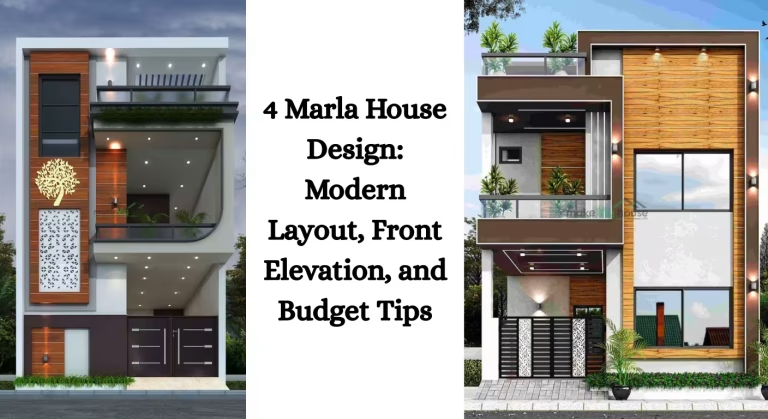
4. Elevation Design: The Identity of the Home
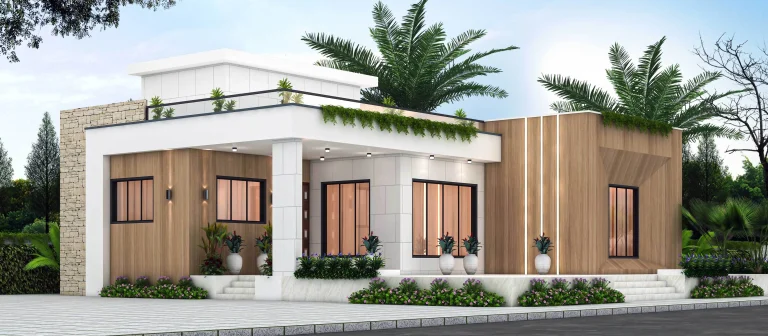
When someone sees your home for the first time, the very first thing that catches their eye is the house elevation design.
The elevation constitutes the exterior appearance of the home. It determines whether your home will project a modern, traditional, or contemporary aesthetic.
Nowadays, several types of elevation designs are popular:
Modern Elevation
Modern elevations feature clean lines, glass elements, and the use of neutral colors.
Contemporary Elevation
This style represents a blend of modern and traditional design elements.
Traditional Elevation
This style incorporates classic elements, decorative pillars, and intricate detailing.
3D Elevation Design
Nowadays, most architects create 3D elevation designs, allowing homeowners to visualize exactly how their home will look once it is constructed.
This offers several advantages:
- It allows for the testing of various color combinations
- It facilitates the selection of materials
- It enables a clear visualization of the final look in advance
5. Structural Planning: The Strength of the Home
Alongside a beautiful design, the structural strength of a home is also of paramount importance.
In structural design, engineers perform numerous calculations to ensure that the house remains safe and sturdy.
This involves:
- Foundation design
- Column sizing
- Beam placement
- Slab thickness
If structural planning is flawed, it can lead to issues such as cracks, structural settlement, or safety hazards later on.
Therefore, one should always entrust the structural design to an experienced structural engineer.
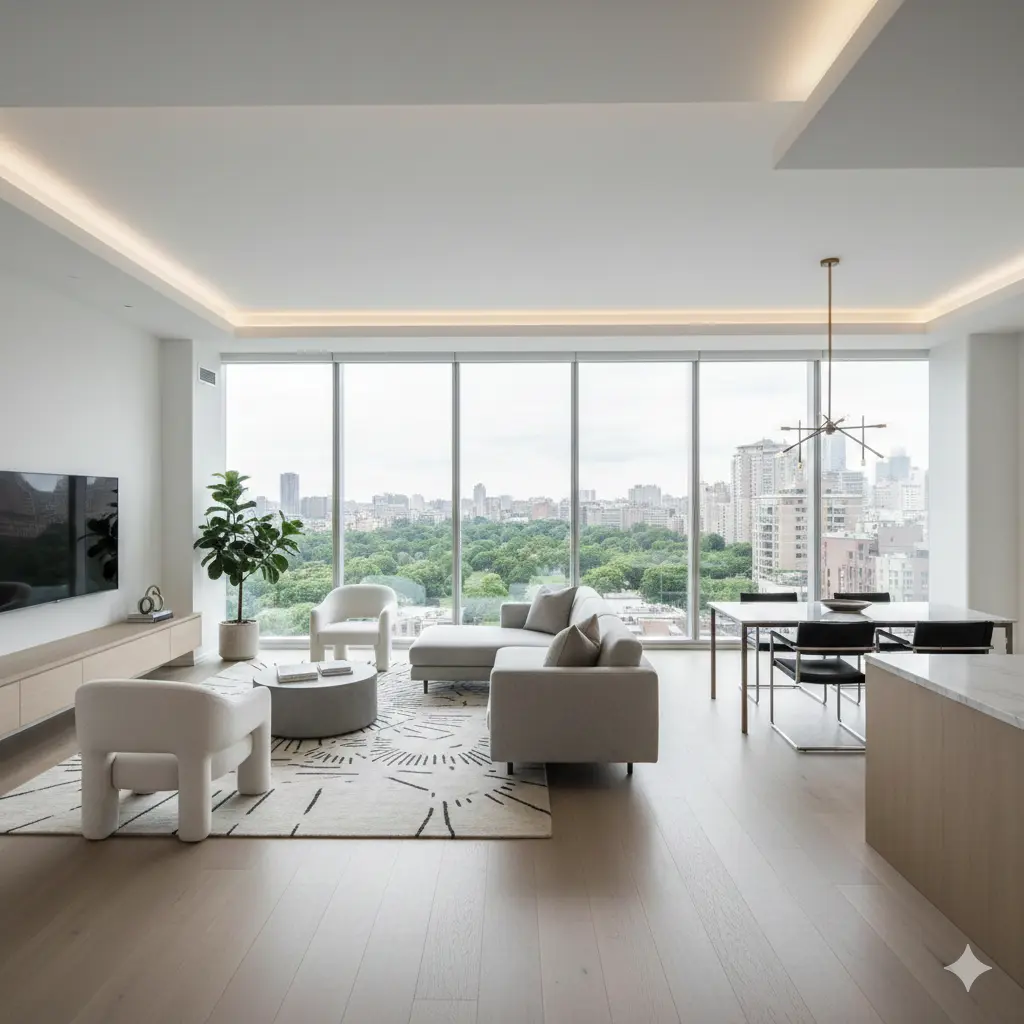
6. Interior Design: Making the Home Comfortable
Once the home’s structure and layout are finalized, the focus shifts to interior design planning.
Interior design is not merely about decoration; it serves to make the interior spaces of the home both functional and comfortable.
Interior design encompasses several key elements:
Furniture Layout
Furniture placement is crucial.
An improper furniture layout can make a room feel cramped and cluttered.
Lighting Design
Lighting has the power to transform the mood of a home.
For instance:
- Warm lighting for the living room
- Bright lighting for the kitchen
- Soft lighting for the bedroom
Storage Planning
A lack of adequate storage often emerges as one of the biggest challenges in homes.
Smart storage solutions—such as:
- Wall cabinets
- Modular wardrobes
- Hidden storage
—help make the home significantly more organized.
7. Material Selection: Why Quality Matters
Homeowners often focus exclusively on the design while paying insufficient attention to the quality of the materials used.
However, in reality, the longevity of a home depends significantly on the quality of its construction materials.
Some critical materials include:
- Cement
- Steel
- Bricks
- Tiles
- Waterproofing products
In my experience, when the right materials are used and proper supervision is maintained during construction, future maintenance costs are drastically reduced.
8. Budget Planning and Cost Control
Managing the budget is an essential aspect of building a home.
People often commence construction without proper planning, only to face budget overruns later on.
Budget planning involves accounting for the following:
- Design costs
- Construction costs
- Interior design costs
- Finishing materials
- A contingency fund
If detailed planning is undertaken right from the outset, the project can be completed smoothly and efficiently.
9. Common Mistakes to Avoid in Home Design
When building a home, it is crucial to steer clear of certain common mistakes.
Neglecting Ventilation
Natural ventilation plays a vital role in making a home comfortable. Neglecting Future Planning
You may require an extra floor or an additional room in the future.
Overlooking Storage Planning
A lack of storage space can become a major inconvenience later on.
Skipping Professional Assistance
It is always advisable to seek counsel from experienced architects and engineers.
10. How to Achieve the Perfect Home Design
If you wish to build the home of your dreams, it is essential to follow these steps:
1. Conduct a plot analysis.
2. Commission a proper house plan.
3. Visualize the 3D elevation.
4. Ensure the structural design is sound.
5. Plan the interiors.
6. Select high-quality materials.
7. Create a budget plan.
When all these elements are planned correctly, the resulting home is not only aesthetically pleasing but also remains comfortable for years to come.
Conclusion
Building a home is not merely a construction project; it is also an emotional journey. Proper home design planning can transform the house of your dreams into a tangible reality.
House plans, elevation design, structural planning, and interior design—together, these elements create a perfect home.
If attention is paid to all these aspects right from the outset, your home will not only look beautiful but will also be practical, comfortable, and long-lasting.
Remember—sound planning serves as the strongest foundation for a perfect home design.
FAQs (Frequently Asked Questions)
1. Why is Home Design Planning essential before building a house?
Home design planning provides you with a clear vision of the entire house. It ensures that everything—including room layout, ventilation, lighting, and budget—is managed effectively. Without proper planning, making changes later becomes both expensive and difficult.
2. What factors should be considered when creating a House Plan?
When creating a house plan, it is crucial to consider the plot size, orientation, family needs, potential for future expansion, and ventilation. Additionally, the design should maximize usable space while minimizing wasted space.
3. What are the benefits of a 3D Elevation Design?
A 3D elevation design allows you to visualize the exterior appearance of your home before construction even begins. This makes it easier to finalize color combinations, materials, and the overall design.
4. When should Interior Design Planning be undertaken?
Interior design planning should be completed before construction commences. This ensures the proper placement of electrical points, furniture, and storage units, thereby avoiding the need for disruptive structural alterations later on.
5. How important is Vastu in Home Design?
While it is not strictly necessary to follow Vastu principles in their entirety, adhering to certain basic guidelines—such as positioning the entrance, kitchen, and bedrooms in the correct directions—can make the home feel more comfortable and imbue it with a positive atmosphere.
6. What is the biggest mistake people make when building a house?
The biggest mistake is beginning construction without proper planning. Other significant errors include neglecting ventilation, failing to plan for storage, and using low-quality construction materials.
7. How can one control the budget while building a house?
To control the budget, engage in detailed planning right from the start, decide on materials in advance, and set aside a contingency fund. Choosing the right architect and contractor is also essential.
8. Is it possible to design a good house on a small plot?
Yes, absolutely. With proper space planning, smart storage solutions, and an efficient layout, it is entirely possible to build a functional and beautiful home even on a small plot.
About the Author

2 thoughts on “Complete Guide to Home Design: From House Plans to Interior and Elevation Design”