
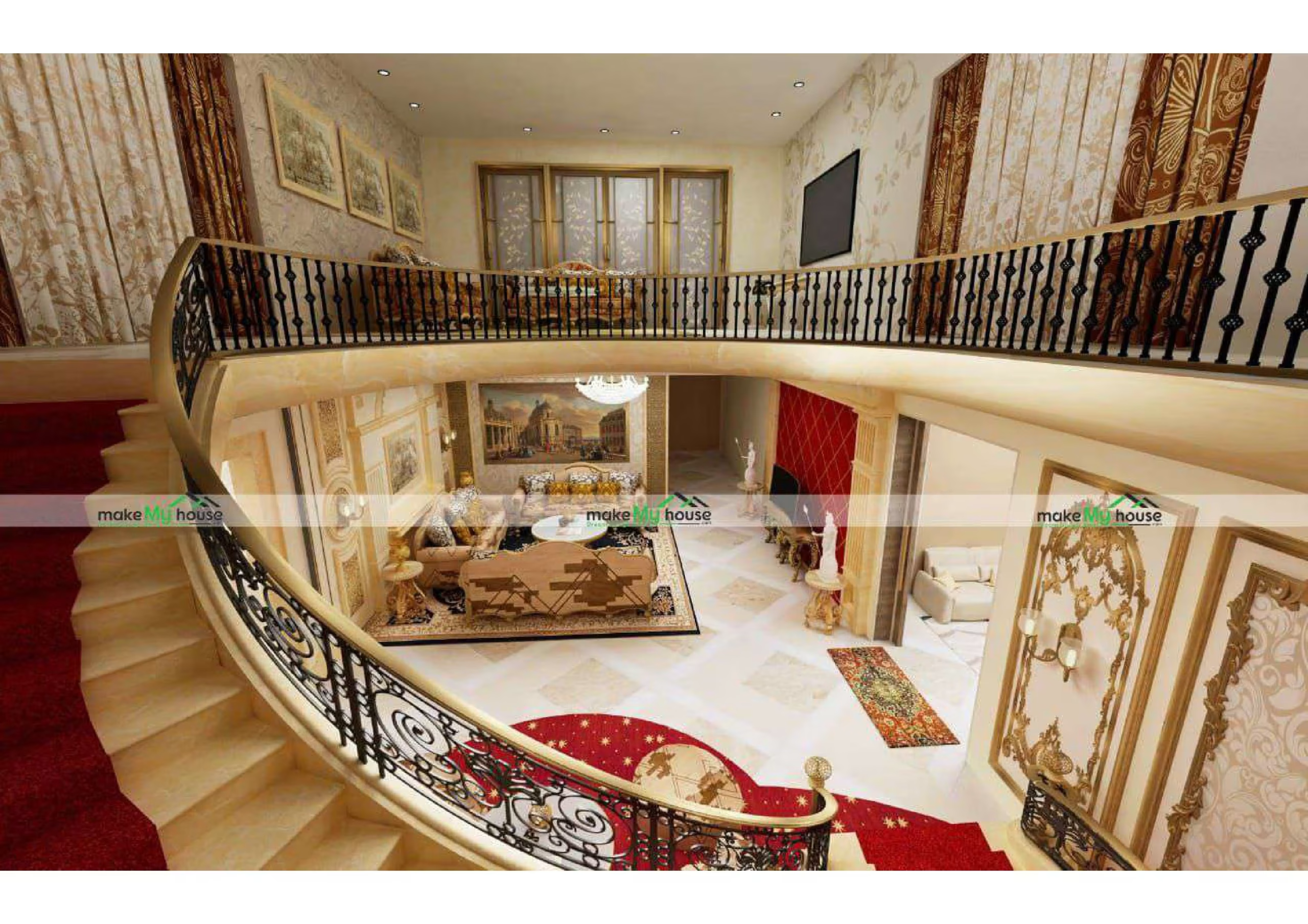
Does Luxury Home Design really make a home premium?
Luxury home design isn’t just about expensive materials, but also about proper planning, open spaces, a comfortable layout, and balanced lighting.
A home truly feels premium when it’s practical, clutter-free, and designed for daily use.
Simple choices, smart layout, and real usability are what make a home luxurious.
The True Meaning of Luxury Home Design
Luxury home design isn’t just about a large house or expensive sofas. True luxury is seen when every aspect of the home feels comfortable—walking, sitting, living, and working.
We’ve noticed one thing while planning many homes—people no longer want just beautiful homes, but homes where the space is right, the light is right, and everything is practical.
A good luxury home is one where:
- The function of each room is clear
- Storage is hidden
- Light is natural
- A wow feeling is created upon entering the home.
If planning is correct, the luxury feeling comes naturally.
Any luxury home design starts with planning.
If planning is flawed, no matter how expensive the marble, the home won’t look perfect.
We always look for the following in our projects:
- The entry should be spacious
- The living area should feel open
- The kitchen should be practical
- The bedroom should feel private
In a client’s home, we completely transformed the feel. Previously, the house felt small, but by creating an open living space in the same area, it felt larger.
Living room: Where the luxury feeling begins
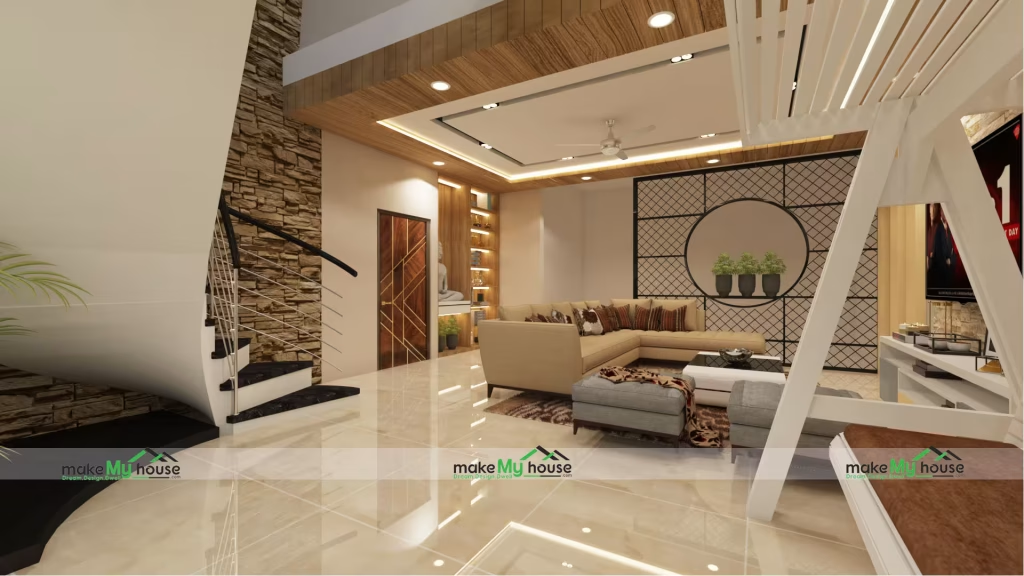
The living room is the face of the home.
There’s no need for excessive decoration, just the right things in the right place.
Useful things:
- Large window
- Soft lighting
- Simple but classy sofa
- A strong wall (texture or panel)
We’ve seen people overfill with extra furniture. Luxury spaces always leave breathing space.
Less stuff, more stuff = a premium feel.
Kitchens are also part of luxury.
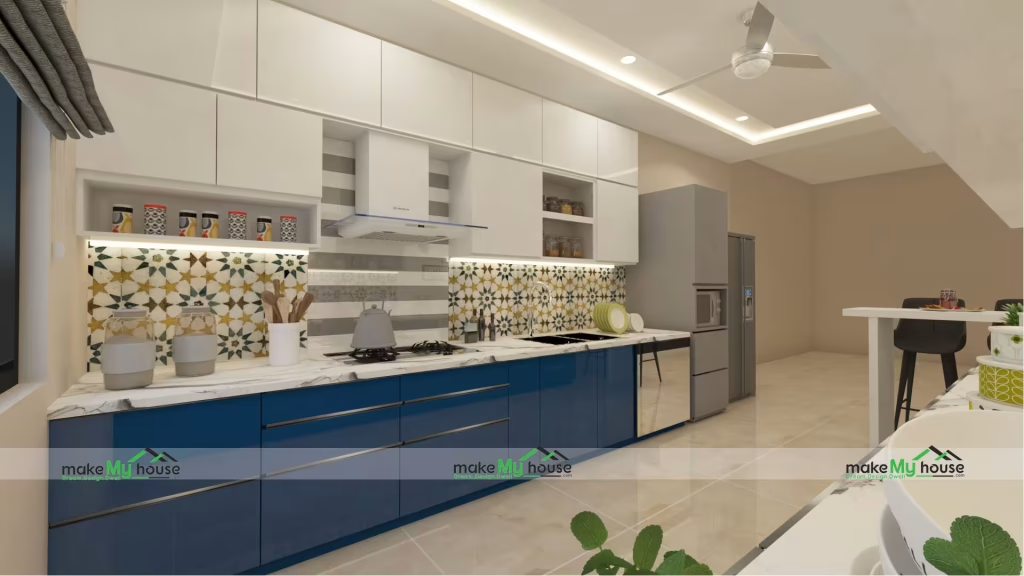
These days, kitchens aren’t just places for cooking.
Family time happens here.
In a luxury kitchen, we include the following:
- Tall storage
- Hidden appliances
- Island counter (if space allows)
- Easy movement
A simple rule:
The kitchen should be easy to navigate.
Smooth movement is true luxury.
Bedroom: A hotel-like feel
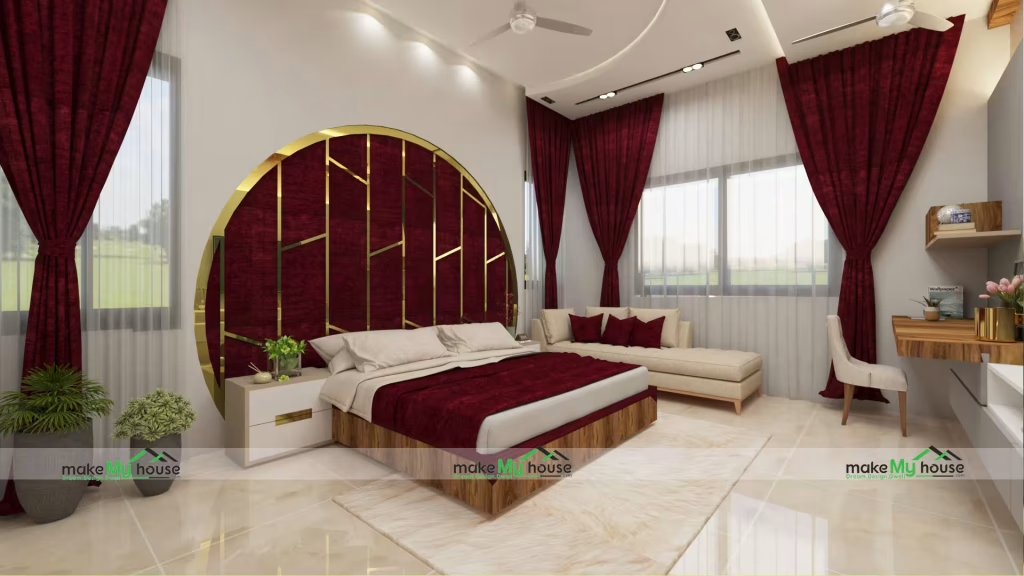
There’s no need to over-design a bedroom.
Soft lights, a comfortable bed, and clutter-free space—that’s enough.
We always tell our clients:
- Keep storage hidden in the bedroom.
- Keep the walls simple.
- Keep the lighting warm.
In one master bedroom, we installed just a headboard wall and indirect lighting. The entire room felt premium.
Also read: House Design Plans: A Complete Guide to a Modern, Functional, and Smart Home
How to Show Luxury in a Bathroom
A luxury bathroom doesn’t have to mean a large bathroom.
A clean layout and the right fittings are more important.
- Glass partition
- Wall-mounted vanity
- Mirror lighting
- Simple tiles
The cleaner the look, the more luxurious the feel.
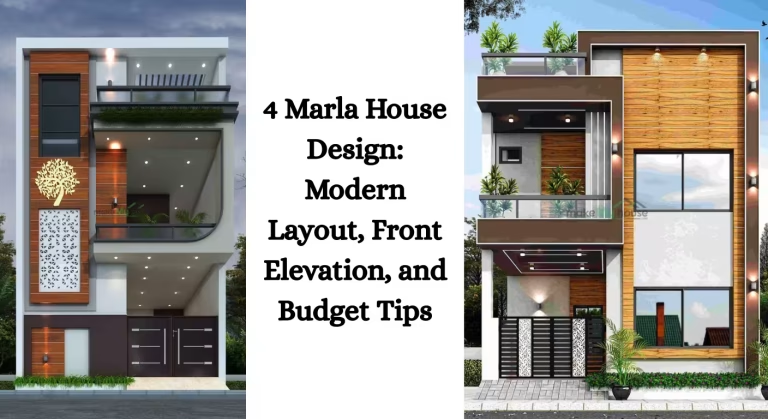
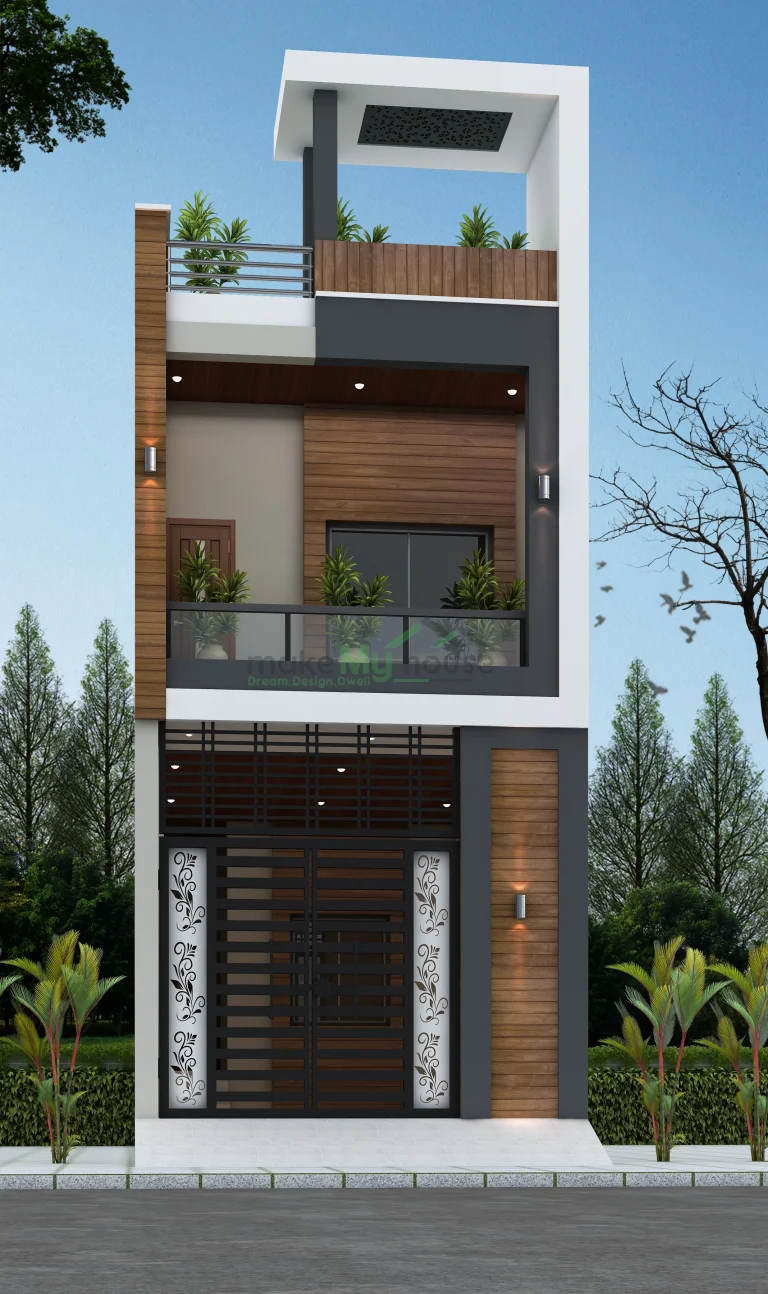
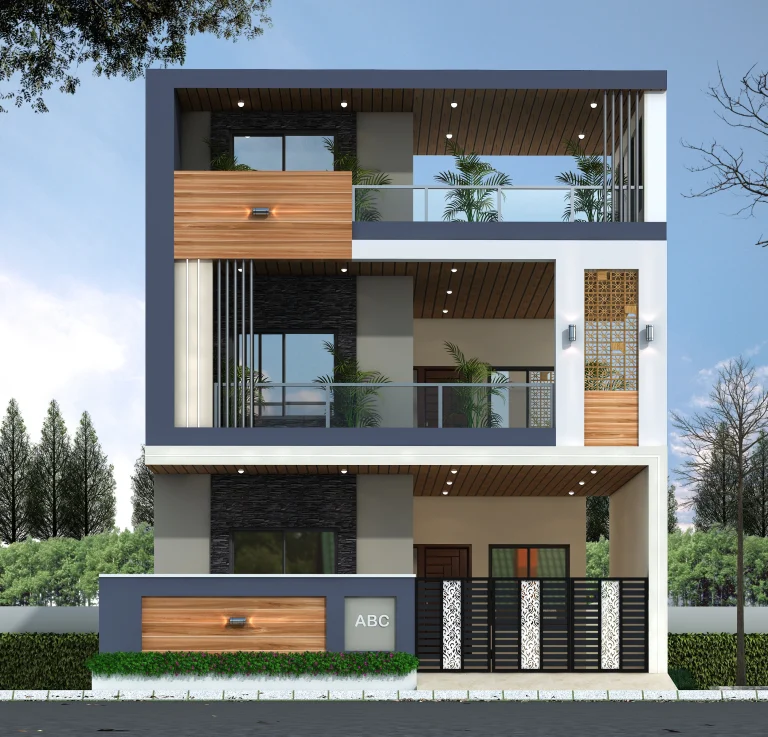
Exterior: The first impression
How a home looks from the outside is what gives the first impression.
These days, people are preferring:
- Stone finish
- Simple modern lines
- Warm facade lights
- Balcony glass
Overly heavy designs are less popular.
Simple elevation + right lights = a classy look.
Lighting: The most underrated factor
If the lighting is right, the home itself looks premium.
If it’s wrong, everything looks dull.
We always use a mix of lighting:
- Ceiling light
- Wall light
- Hidden light
Natural light is also very important.
Large windows always give a home a luxurious feel.
Furniture: Less but right
Luxury homes aren’t filled with furniture. Space is open to lend some breathing space to the home.
We advise clients:
- Don’t put something on every wall.
- It’s not necessary to fill every corner.
- A strong sofa, a good table, a piece of artwork—that’s enough.
Lessons learned from real experience
We’ve noticed in many projects:
People spend on marble and decor, not on planning. As a result, the home feels expensive, but not comfortable.
When planning, lighting, and movement are right—that’s when a home truly feels luxurious.
We’ve personally seen the entire feel of many homes change simply by tweaking the layout.
Also read: Front Elevation Design for Small Houses: Attractive Front Elevation Designs for Small Houses
Practical Tips for Luxury Home Design
- Finalize the layout first
- Plan the storage
- Plan the lighting
- Choose furniture later
- Keep the theme consistent throughout
Not everything has to match; balance is essential.
Final point
Luxury home design isn’t something to show; it’s something to feel.
When you feel comfortable as soon as you enter the house, movement is easy, and every corner is usable—that’s true luxury.
A home built with proper planning, proper lighting, and the right materials looks good for years.
And most importantly, the people living in it love it.
Also read: 2BHK House Plan with Vastu: A Complete Plan for a Balanced, Positive, and Modern Home
FAQs (Frequently Asked Questions)
1. What should be the first thing to decide when starting a luxury home design?
First, decide on the layout and space planning of the house. How the rooms will connect, how the movement will be, and where the natural light will come from—these factors determine the feel of the entire home.
2. Is a huge budget necessary for a luxury home?
No, with proper planning and smart material selection, a premium look can be achieved even on a normal budget. Focus on layout, lighting, and finishing.
3. What makes the biggest difference in giving a home a luxury feel?
Lighting, clutter-free space, and limited but quality furniture have the greatest impact. Over-decorating diminishes the luxury feel.
4. What should distinguish a luxury kitchen?
The kitchen should be practical. Proper storage, easy movement, and a clean look are key. Hidden appliances and simple finishes make a kitchen premium.
5. Is luxury design possible even in a small house?
Yes, absolutely. A luxury feel can be easily achieved in a small house by using the right layout, lighting, and minimal furniture.
6. What to consider in exterior design?
Simple elevation, balanced colors, and warm facade lighting create a strong first impression. Avoid overly heavy designs.
7. How to maintain a premium home over the long term?
Choose quality materials, keep maintenance easy, and have a timeless design. Focus on practical design over trends.
About the Author

3 thoughts on “Luxury Home Design: When a home becomes more than just a home, it becomes an experience”