
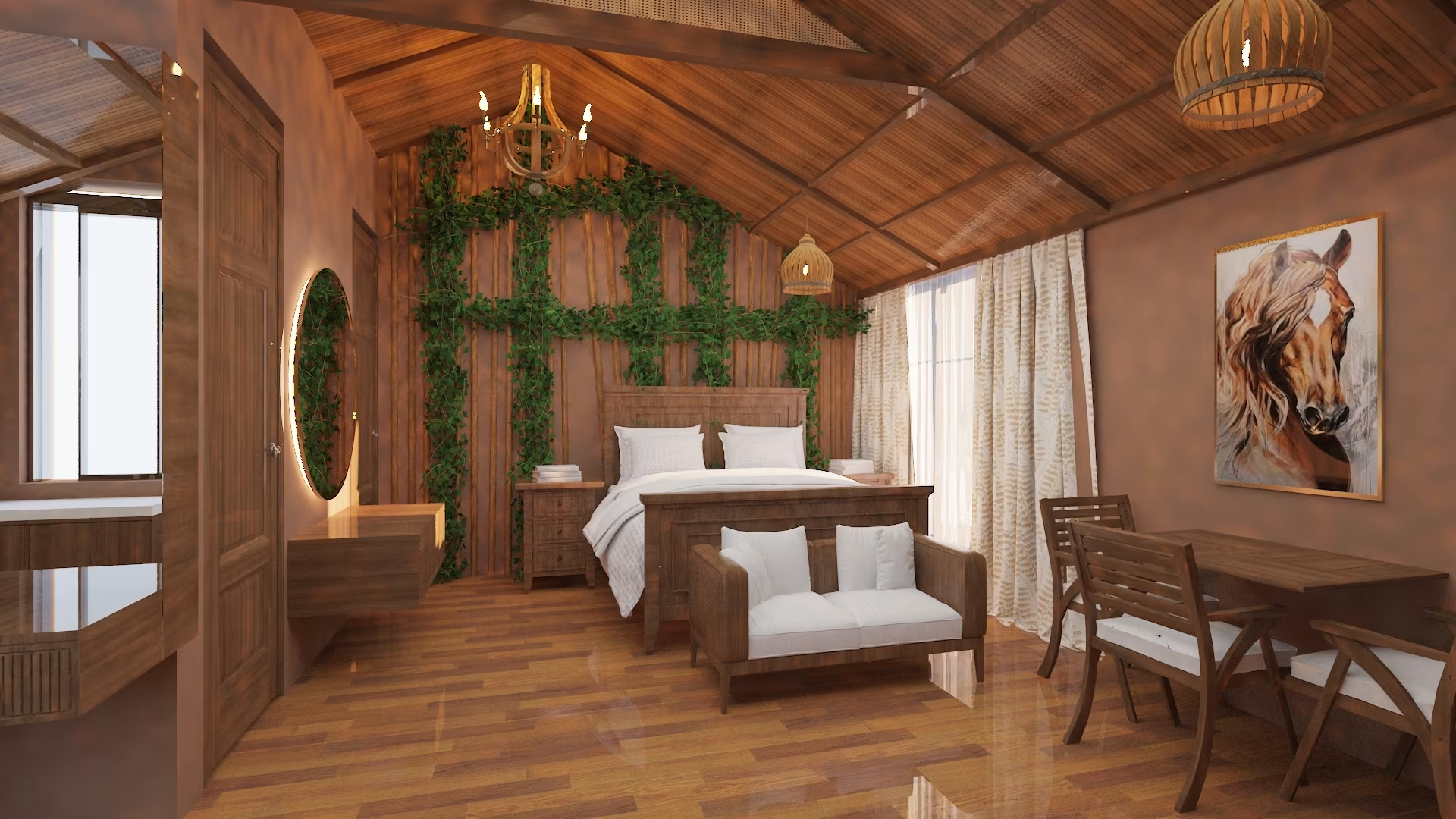
Tiny House Interior Design: How to Make a Small Home Feel Spacious and Beautiful
You walk into your home and feel like the walls are closing in. The sofa seems huge. Storage is scarce. Every corner is cluttered. And the budget is tight.
Most tiny home owners face this daily. I’ve worked on many compact homes where people felt like “there’s no space.” But honestly, space isn’t the problem; planning is.
Tiny house interior design isn’t about expensive decor. It’s about smart choices. A little planning, a little discipline, and a little design sense. That’s it.
Let’s talk about real, practical, tested solutions that actually work in Indian homes.
Why Tiny House Interior Design Requires a Different Approach
Large houses can hide mistakes. Small houses can’t.
A wrong sofa. The wrong color. Extra furniture. It’s all immediately apparent.
In small house interior design, every inch counts. Every wall matters. Even lighting matters.
I’ve personally seen 2BHK flats feel like 1RKs because of heavy furniture and dark colors. And I’ve also seen 1BHKs feel larger with the right layout and lighting.
Golden Rule:
Less stuff. Better planning. Smart storage.
Step 1: Start with furniture size (most people get this wrong)
The biggest mistake in small house interior design is oversized furniture.
People go to showrooms, find a large sofa, and buy it. Then the living room is gone.
What actually works:
- A slim sofa with open legs
- A wall-mounted TV unit
- A foldable dining table
- A storage bed
A nesting table instead of a large center table
In one project, we replaced a bulky L-shaped sofa with a compact 3-seater and two lightweight chairs. The room suddenly feels twice as large. Same space. Just smart furniture.
Tip:
Before buying anything, mark the size with tape on the floor. Walk around it. Then decide.
Step 2: Use light colors, but don’t make it boring.
White walls are fine. But if done wrong, an all-white house can look like a hospital.
For small house interior design, use light base colors:
- Off-white
- Light beige
- Pastel gray
- Soft peach
- Very light green
Then add colors:
- Cushions
- Curtains
- Rugs
- Wall art
This keeps the space airy but doesn’t feel dull.
I once tested a dark blue accent wall in a small bedroom. It looked stylish, but the room felt cramped. I changed it to a light gray. It instantly felt spacious.
Rule:
Keep large spaces light. Add color to small things.
Also read: Villa Design India: A Real Guide from Plot to Luxury Living
Step 3: Storage Planning = Peace of Mind
Clutter makes small homes feel even smaller. Storage planning is non-negotiable.
Smart Storage Ideas:
- Bed with hydraulic storage
- Ceiling-to-ceiling loft cabinet
- Wall shelf
- Storage under the stairs
- Inside-the-wall shoe cabinet
- Mirror cabinet in the bathroom
One family told me, “The house is small.” In reality, the house was cluttered. After adding the right storage, the same house felt calmer and larger.
Pro tip:
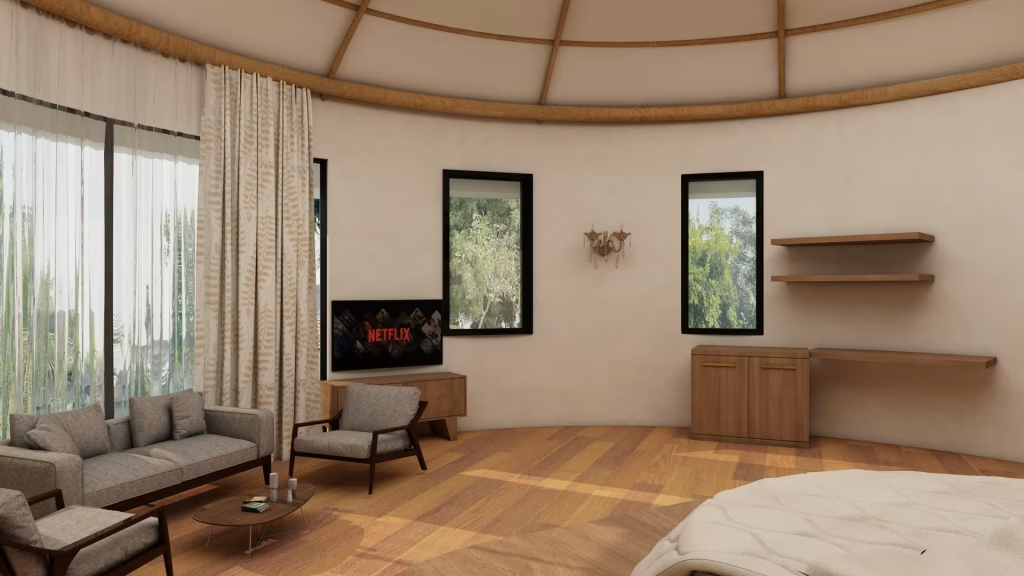
Closed storage looks neater than open shelving. Use open shelving only for decor.
Step 4: Mirrors Work Magic
Mirrors are a handy trick in small home interior design.
They reflect light and make the room feel deeper.
Where to use mirrors:
- In front of a window
- Dining wall
- Entry wall
- Wardrobe shutters
In a 600 sq ft flat, we installed a full mirror near the dining area. The room suddenly felt larger. No renovation was needed.
But don’t overdo it. Too many mirrors look cluttered.
Step 5: Lighting Changes Everything
Poor lighting = a small, dull home.
Good lighting = an open, comfortable home.
Most homes have just one tube light. That’s not enough.
Layered lighting works best:
- Ceiling lights
- Wall lights
- Floor lamps
- Under-cabinet kitchen lights
- Warm lights in the bedroom
Warm lights make the room feel cozy. White lights for the kitchen and study.
I personally prefer warm lights in the living room. It feels welcoming after a long day.
Warning:
Don’t install heavy chandeliers in small rooms. Use simple lights.
Step 6: Curtains can make or break a space.
Short curtains make a room appear smaller.
Heavy, dark curtains block out light.
Best curtain options:
- Full-height curtains
- Lightweight fabric
- Neutral colors
- Simple design
Hang the curtain rod near the ceiling, not just above the window. This makes the room appear taller.
Tested this in several small apartments. It always works.
Step 7: Keep the Floor Visible
Having too much stuff on the floor reduces space.
Avoid:
- Large floor decor
- Heavy carpet
- Too many stools
Use:
- Wall decor
- Floating shelves
- Slim furniture
More visible floor space = a larger-looking room.
Step 8: Multi-purpose furniture is a lifesaver
In small home interior design, one item should serve two purposes.
Examples:
- Sofa cum bed
- Storage ottoman
- Foldable study table
- Extendable dining table
I once lived in a compact apartment. I used a foldable wall desk. When not in use, it looked like a wall panel. It saved space every day.
Step 9: Kitchen Design for Small Homes
Small kitchens require good planning.
Useful Tips:
- Use vertical cabinets
- Pull-out drawers
- Light-colored cabinets
- Lights under cabinets
- Avoid open shelves
Keep counters clear. Too many jars make a kitchen feel crowded.
Step 10: Bedroom Design for Small Homes
The bedroom should feel calm, not stuffy.
Use:
- Wall-mounted side tables
- Sliding wardrobes
- Light bedding
- Less decor
Avoid:
- Too many pillows
- Large headboards
- Dark paint
I always tell clients: The bedroom is for relaxing, not for storage.
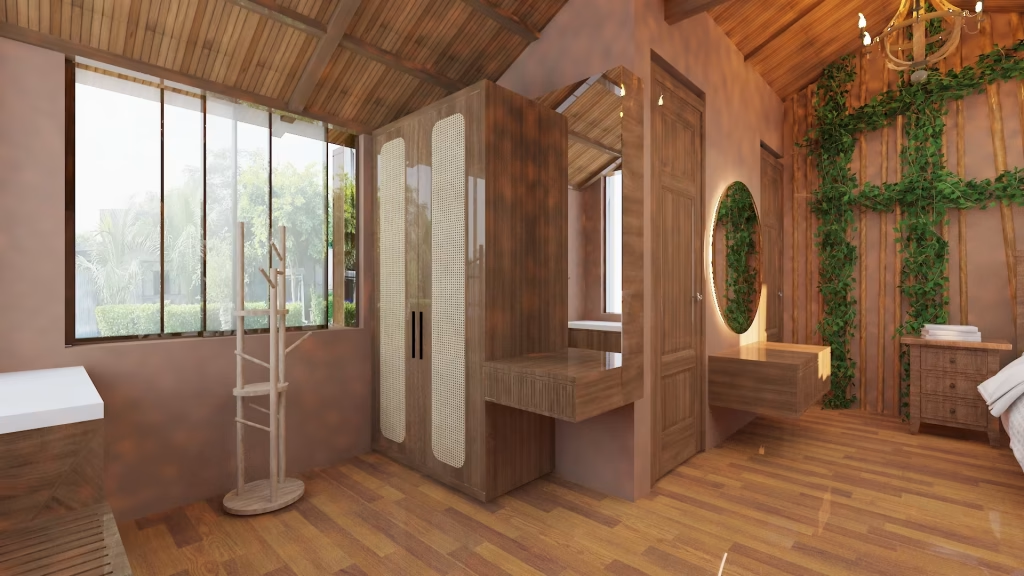
Common mistakes to avoid in small house interior design
Buying furniture before planning the layout
- Using dark paint colors everywhere
- Having too many decor items
- Not planning for storage
- Blocking natural light
- Heavy curtains
- Oversized TV units
- Ignoring vertical space
Each mistake makes a home appear smaller than it actually is.
Also read: Luxury Home Design: When a home becomes more than just a home, it becomes an experience
Advice from Real Experience
From real site work and tiny house projects:
- Always measure before buying furniture
- Invest in storage first, decor later
- Keep the color palette simple
- Don’t blindly copy Pinterest
- Plan lighting first
- Use a local carpenter wisely
The most beautiful tiny houses aren’t expensive. They’re simply well-planned.
FAQs: Tiny House Interior Design
1. How can I make a tiny house appear larger?
Use light colors, glass, slim furniture, and good lighting. Keep unnecessary items to a minimum.
2. What colors are best for tiny house interior design?
Off-white, beige, light gray, and pastel shades look best.
3. Is modular furniture good for tiny houses?
Yes. It saves space and provides storage.
4. Should I use wallpaper in a small house?
Use it on only one wall. Keep the rest simple.
5. How can I increase storage in a small house?
Use vertical cabinets, storage beds, and wall shelves.
6. Is dark furniture bad for small houses?
Too much dark furniture makes the space feel cramped. Pair it with light tones.
7. Can a small house feel luxurious?
Yes. With good lighting, a simple design, and clear storage.
8. What’s the biggest mistake in small house interior design?
Buying large furniture without measuring the space.
The result
Small house interior design isn’t about size. It’s about smart thinking.
The right furniture. The right colors. The right storage. The right lighting. That’s it.
I’ve noticed that small houses feel open and calm with better planning. And I’ve seen large houses feel cramped because of poor layouts.
- If your house is small, don’t stress.
- Keep things simple.
- Plan before you buy.
- Use every inch wisely.
Even a small house can feel calm, stylish, and comfortable.
About the Author

2 thoughts on “Tiny House Interior Design: How to Make a Small Home Feel Spacious and Beautiful”